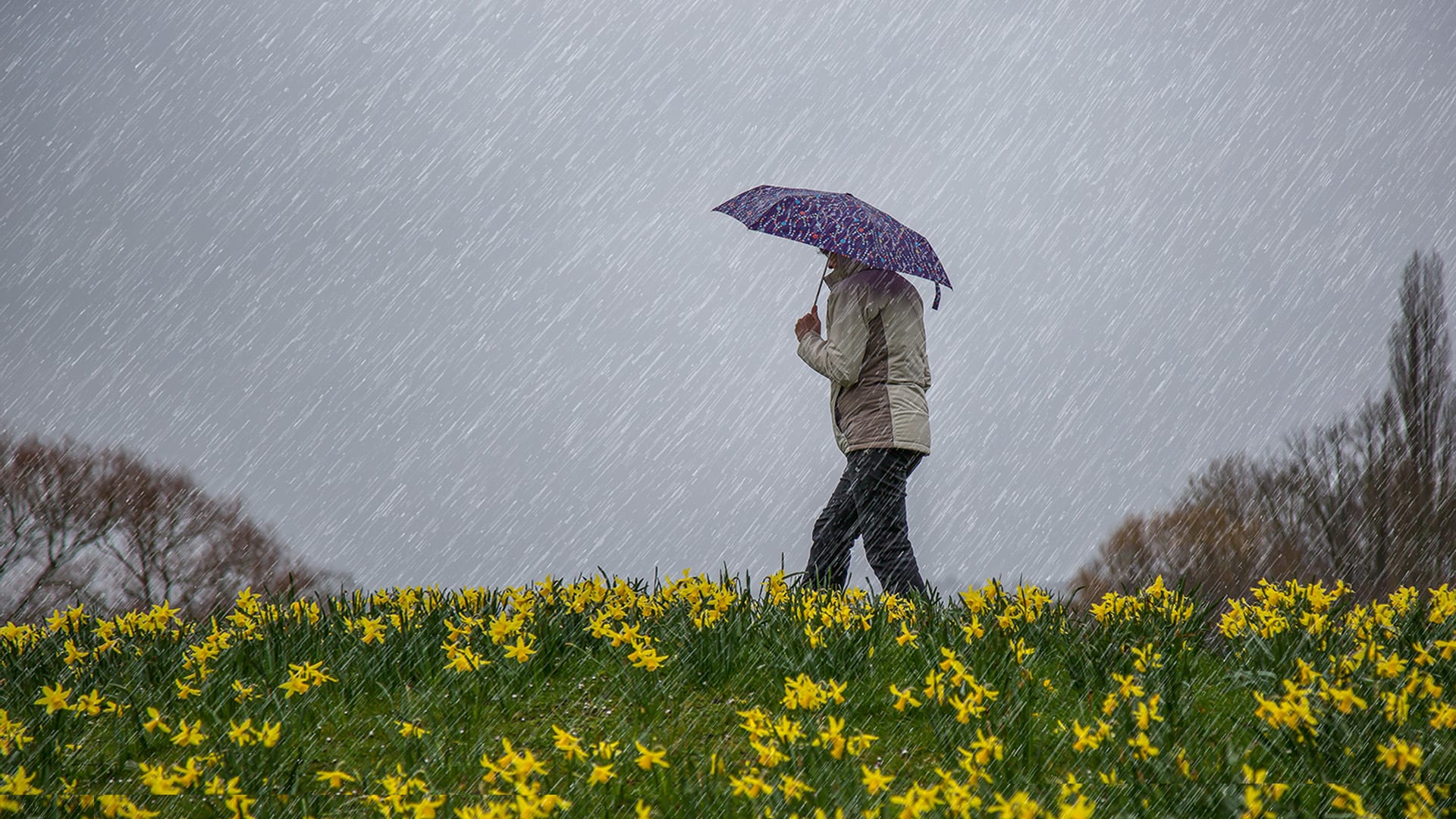



In this unit, students explore storms and severe weather! They obtain information from weather forecasts to prepare for storms and stay safe. They also practice describing the various characteristics of weather (wind, clouds, temperature, and precipitation) in order to make their own predictions about storms.
In this Read-Along lesson, students listen to an illustrated digital storybook with student participation. If you would prefer to read it aloud yourself, you can switch to the non-narrated version. In the story, JJ and his grandfather get ready for a big thunderstorm. In the activity, Get Ready for a Storm, students learn about other kinds of storms and act out ways to prepare for storms.
In the activity, students will be introduced to the idea that the weather report — on a smart phone, on a TV, or on a computer — helps people know when to get ready for a coming storm. You can help prepare your students for this aspect of the lesson by asking them — “What do you think the weather will be like tomorrow.” If you want to show them a weather report that’s appropriate for Kindergarten, we have included a link to a daily “weather report for kids” in the extensions for this lesson.
Lesson 2: Wind & Storms
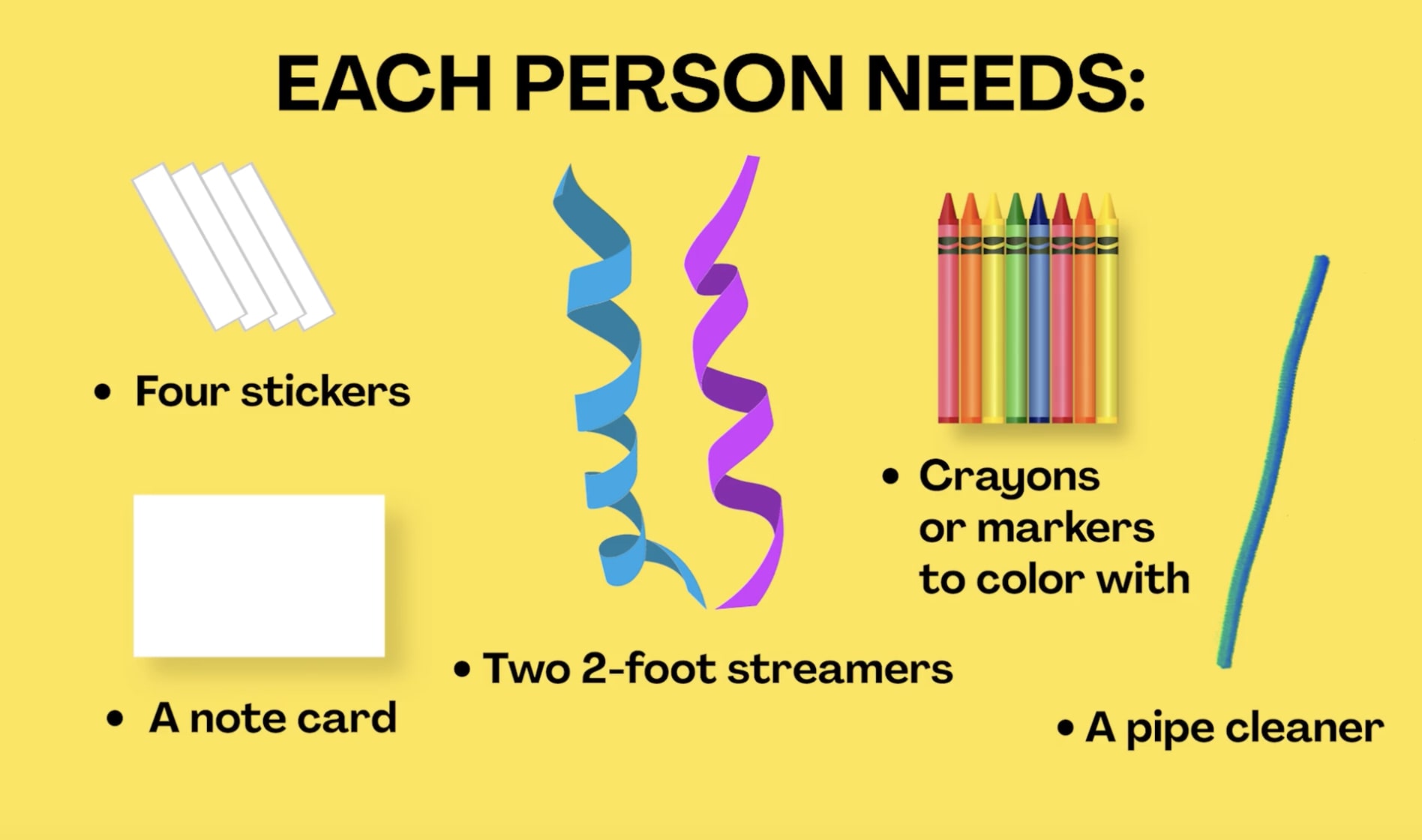
In this lesson, students observe changes in the weather when a storm is coming. In the activity, Breeze Buddy, students make a simple tool that lets them see how windy it is.
In this lesson, students observe and describe the weather, paying attention to the sun, the temperature, the wind, and precipitation. In the activity, Be a Weather Watcher, students observe and draw the weather around them.
If the weather is nice, take your students for a walk and let them draw while they are outside. If that’s not possible, you’ll need a window that lets them observe the weather while drawing.
When students are drawing, you may need to remind them to pay attention to the four aspects of the weather that are discussed in this lesson: what you see in the sky, the temperature, the wind, and rain/snow. We’ve included icons in the corner of the drawing sheet as a reminder.
Consider having students repeat this activity when the weather changes. Drawing gives them a tool that will help them pay attention to changes in the weather that they may otherwise overlook.
This episode is locked
Invite 5 or more friends and we'll unlock all previous episodes as a thank you!
Locked
6:10
Why is the sky blue?
Locked
4:41
Why do we call them doughnuts?
Locked
5:16
Could a turtle live outside its shell?
You are using an unsupported browser. For the best experience using Mystery Science,
we recommend upgrading to one of the following browsers: